
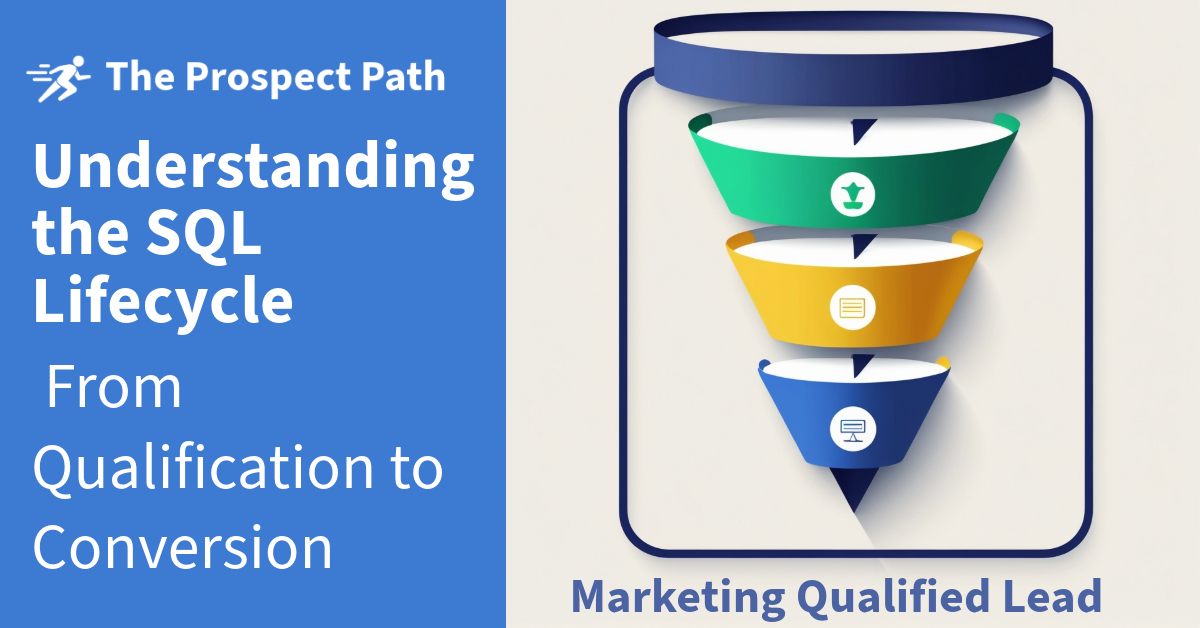
In the world of B2B sales, the term SQL—or Sales Qualified Lead—is a critical piece of the puzzle. But what exactly is an SQL, and why is understanding its lifecycle so important? Whether you’re in sales or marketing, knowing how to manage SQLs effectively can make all the difference in turning prospects into paying customers. In this blog, we’ll take a straightforward look at the SQL lifecycle—from the moment a lead is qualified to the final conversion—and why it matters for your business growth
What is an SQL?
Before diving into the lifecycle, it’s important to clarify what an SQL actually is. An SQL is a lead that has been vetted and determined to have a high potential to buy. These leads typically meet specific criteria set by both marketing and sales teams, such as having the budget, authority, need, and timeline to make a purchase. In other words, an SQL is a lead that’s ready for serious sales engagement.
The SQL Lifecycle Explained
The SQL lifecycle is the entire process a sales qualified lead goes through—from the initial qualification to the final closing of the deal. Understanding this lifecycle helps teams manage leads effectively and close more sales.
1. Lead Qualification
Before a lead becomes an SQL, it usually starts as a Marketing Qualified Lead (MQL). Marketing teams nurture MQLs through content, emails, and engagements. Once a lead shows strong buying signals—like requesting a demo, asking pricing questions, or expressing urgency—they get passed to sales for qualification.
Sales qualification involves evaluating the lead using frameworks like BANT (Budget, Authority, Need, Timeline) to determine if:
- The lead has the budget for your product or service.
- The lead has the authority to make purchasing decisions.
- There is a real need your solution can address.
- The timeline for purchase fits your sales cycle.
If a lead meets these criteria, it becomes an SQL.
2. Engagement and Nurturing
Once qualified, the SQL enters the sales team’s pipeline for active engagement. This phase is all about building relationships, understanding the prospect’s pain points, and tailoring your pitch to their unique situation. It often involves multiple touchpoints—phone calls, emails, meetings, or product demos.
Effective nurturing keeps the lead engaged, ensuring they stay interested and informed throughout the buying journey. This stage also involves addressing objections and concerns to build trust.
3. Proposal and Negotiation
After the sales team understands the lead’s needs, it’s time to present a tailored proposal that outlines how your product or service can solve their problems. This phase might involve negotiations on pricing, contract terms, or implementation details.
Open communication and flexibility are key here. It’s important to listen to the prospect and adapt your offer while maintaining the value and benefits your solution brings.
4. Closing the Deal
When the prospect agrees to the proposal, the deal moves toward closing. This is the point where all negotiations end, contracts are signed, and the lead officially converts into a customer.
Effective closing relies on clear communication, resolving any final concerns, and ensuring a smooth handoff to onboarding or customer success teams.
5. Post-Sale Follow-Up
The SQL lifecycle doesn’t end at the sale. Following up after the deal is crucial to ensure customer satisfaction, encourage renewals, and potentially generate referrals. A happy customer can turn into a long-term client, which is invaluable for business growth.
Why Understanding the SQL Lifecycle Matters
Understanding the SQL lifecycle helps sales and marketing teams work together more effectively. When both teams align on qualification criteria and follow a clear process, leads move seamlessly through the pipeline. This alignment reduces wasted effort on unqualified leads and increases conversion rates.
Moreover, tracking each stage of the lifecycle allows teams to identify bottlenecks and improve the sales process continuously. For example, if many SQLs stall during negotiation, it might signal a need to review pricing or contract terms.
Common Challenges in Managing SQLs
Managing SQLs isn’t always smooth sailing. Some common challenges include:
- Poor Lead Qualification: Without clear criteria, leads may be passed to sales prematurely, wasting time.
- Lack of Communication: If marketing and sales teams aren’t aligned, leads can fall through the cracks.
- Slow Follow-Up: Delays in engaging SQLs can cause prospects to lose interest or go to competitors.
- Inefficient Nurturing: Not tailoring communications to the lead’s needs can reduce engagement.
Addressing these challenges proactively improves your chances of converting SQLs into loyal customers.
How The Prospect Path Helps with SQL Lead Generation
At The Prospect Path, we specialize in delivering high-quality SQLs that meet your business’s specific criteria. Our lead generation services combine data-driven targeting with expert qualification to provide sales and marketing professionals with ready-to-engage leads. This means less time wasted on unqualified prospects and more focus on closing deals.
If you’re looking to optimize your SQL lifecycle and boost conversions, contact us today. Let’s partner to fuel your sales pipeline with qualified leads that drive growth.
Understanding and effectively managing the SQL lifecycle is a game-changer for any B2B organization. By following the process from qualification through conversion—and beyond—you can build stronger relationships, increase sales, and grow your business sustainably.
0 Comments