
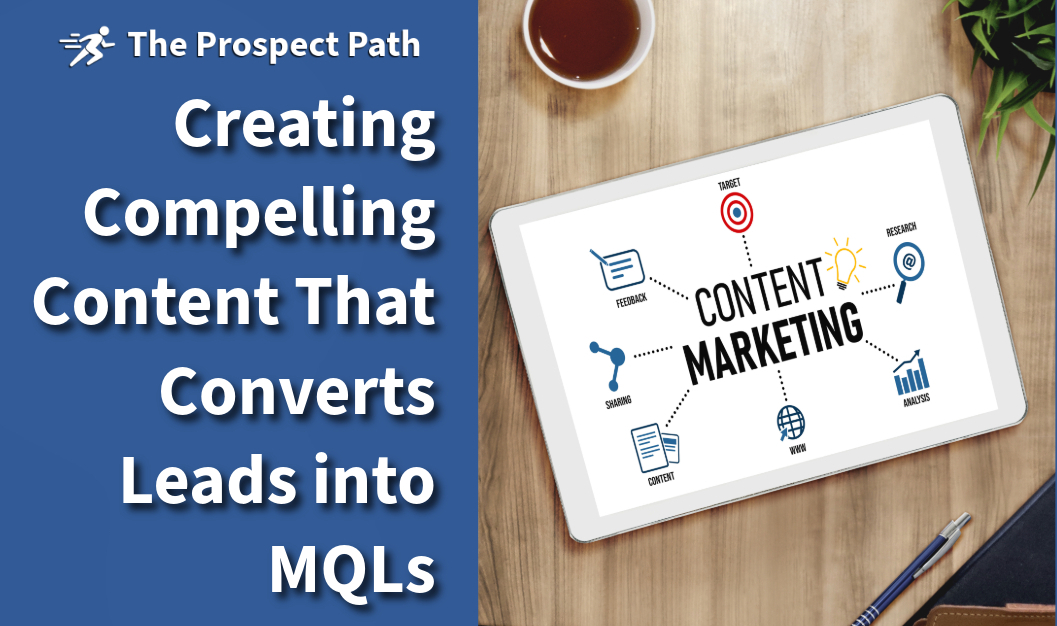
In B2B marketing, not all leads are created equal. Some leads show more interest and engagement with your brand, making them more likely to become customers. These are called Marketing Qualified Leads (MQLs). But how do you turn ordinary leads into MQLs? The answer lies in creating compelling content that attracts, educates, and nurtures your audience effectively.
In this blog, we’ll break down what MQLs are, why they matter, and how you can craft content that converts leads into MQLs — all in plain English.
What is an MQL?
A Marketing Qualified Lead is a lead that your marketing team has identified as more likely to become a customer compared to others. This qualification is based on specific behaviors such as downloading content, attending webinars, clicking on calls-to-action (CTAs), or repeatedly visiting your website.
Unlike raw leads who might have just entered your database, MQLs have shown genuine interest in your product or service. They’re not ready to buy just yet, but they’re open to receiving more information and nurturing.
Why Focus on MQLs?
Focusing on MQLs helps your sales team save time and effort by prioritizing leads who are more engaged and likely to convert. It also aligns marketing and sales efforts, ensuring that the right message reaches the right person at the right time.
How to Create Content That Converts Leads into MQLs
Content is the fuel that drives lead qualification. Here’s how to create content that moves your leads closer to becoming MQLs:
1. Understand Your Audience and Their Pain Points
Before you create any content, you need to understand who your ideal customers are and what challenges they face. Use buyer personas and customer research to identify their goals, problems, and interests.
When your content speaks directly to these pain points, it resonates more deeply and encourages engagement — a key factor in qualifying leads as MQLs.
2. Offer Valuable, Educational Content
MQLs are often nurtured through educational content that helps them solve problems or learn more about your industry. Examples include:
- Ebooks and Whitepapers: In-depth guides that provide detailed insights.
- Webinars: Live or recorded sessions that offer expert advice.
- Case Studies: Real-world examples of how your solution helped customers.
- Blog Posts and Articles: Useful tips, trends, and how-to guides.
This type of content builds trust and positions your brand as a helpful resource, encouraging leads to engage further by downloading, subscribing, or attending events.
3. Use Clear Calls-to-Action (CTAs)
Every piece of content should have a clear CTA that guides leads to the next step. Whether it’s downloading a resource, signing up for a newsletter, or registering for a webinar, CTAs help you track engagement and identify which leads are warming up.
Strong CTAs also encourage leads to provide their contact information, a key step in moving them toward MQL status.
4. Personalize Content Based on Behavior
Leads interact with your content in different ways. Some might download an ebook, while others attend a webinar or visit pricing pages. Use this behavioral data to personalize follow-up content and emails.
For example, if a lead downloads a whitepaper on cybersecurity, send them a related case study or invite them to a webinar on the same topic. Personalization increases relevance and engagement, helping you qualify leads more effectively.
5. Leverage Lead Scoring Models
Lead scoring assigns points to leads based on their actions and demographics. The more points a lead accumulates, the closer they are to becoming an MQL.
Your content strategy should align with your lead scoring criteria. For instance, downloading a high-value resource might score more points than just visiting your homepage. This helps marketing teams identify which leads to nurture and when to pass them to sales.
6. Nurture Leads with Multi-Touch Campaigns
MQLs rarely convert after a single interaction. Use email drip campaigns and retargeting ads to keep your leads engaged over time.
By delivering a series of relevant content pieces, you build a relationship and guide leads through the buyer’s journey — from awareness to consideration and eventually, readiness to speak with sales.
Measuring the Success of Your Content
To know if your content is effectively converting leads into MQLs, track metrics such as:
- Content downloads and webinar registrations
- Email open and click-through rates
- Time spent on key web pages
- Lead scoring progression
- Number of MQLs generated over time
Use these insights to refine your content strategy and focus on what drives the best results.
How The Prospect Path Helps with MQL Lead Generation
At The Prospect Path, we specialize in helping sales and marketing professionals generate high-quality MQLs. Our B2B lead generation services combine targeted content strategies, behavioral insights, and lead nurturing to deliver leads that are truly ready for sales engagement.
If you want to turn more leads into MQLs and accelerate your sales pipeline, contact us today. Let us help you create compelling content and lead generation strategies that drive real business growth.
0 Comments