
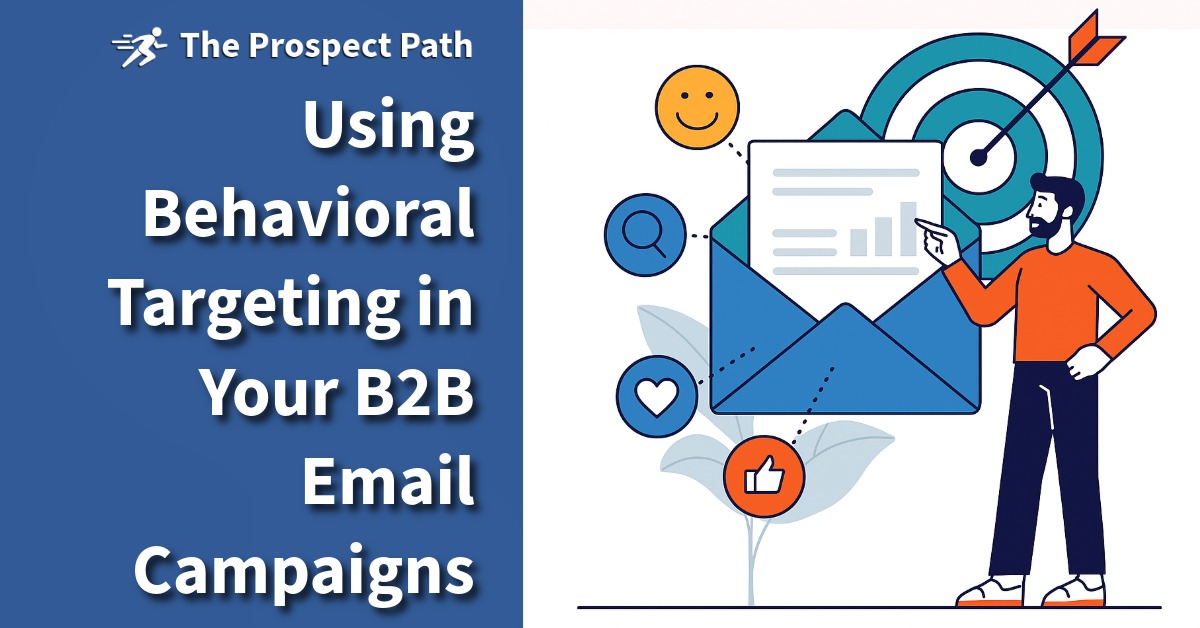
In B2B marketing, sending generic emails to every contact in your database simply does not cut it. Buyers today expect personalized, relevant communications tailored to their behaviors and interests. This is exactly where behavioral targeting in email marketing can be a game-changer.
Behavioral targeting means using data on how prospects interact with your brand—such as website visits, content downloads, and email engagement—to deliver timely, relevant messages that guide them through their buying journey.
In this blog, we’ll explain how to use behavioral targeting effectively in your B2B email campaigns to improve engagement, build stronger relationships, and increase conversions—all in plain and simple language.
What is Behavioral Targeting in Email Marketing?
Behavioral targeting analyzes and uses information about how recipients behave online and offline to send them personalized emails. For instance:
- If a prospect visits your pricing page multiple times, you might send them a focused email with pricing details or customer testimonials.
- If someone downloads a whitepaper about a specific product, you can follow up with related case studies or webinars.
- If a contact abandons a form or leaves a shopping cart halfway, you could send a gentle reminder or special offer.
The goal is to move beyond “spray-and-pray” mass emailing toward data-driven, individualized communication that feels relevant and helpful.
Why is Behavioral Targeting Important for B2B Email Marketing?
1. Higher Engagement: Emails targeted to recipient interests see more opens, clicks, and replies. Behavioral data tells you exactly what your audience cares about.
2. Better Customer Experience: Relevant emails make prospects feel understood and valued, boosting loyalty and trust in your brand.
3. Improved Conversion Rates: Personalized offers and messaging based on real behaviors guide leads closer to purchase decisions.
4. Reduced Unsubscribes: When emails feel useful and timely, fewer people opt out, keeping your list healthy.
5. More Efficient Marketing Spend: Targeted emails reduce wasted impressions and maximize returns on your campaigns.
How to Use Behavioral Targeting in Your B2B Email Campaigns
1. Track Key Behaviors
Start by identifying and tracking relevant behaviors such as:
- Website pages visited (product pages, pricing, resources)
- Downloads of reports, case studies, or whitepapers
- Email opens and clicks
- Webinar registrations and attendance
- Past purchases or inquiries
Many CRM and marketing automation platforms provide tracking tools that capture these activities.
2. Segment Your Email List
Use the behavioral data to segment your audience into meaningful groups, for example:
- Those who downloaded a product brochure
- Prospects who attended a webinar but did not purchase
- Contacts who frequently visit your pricing page
- Leads with high email engagement but no recent website visits
Segmentation lets you create email content tailored precisely for each group’s interests and stage in the buyer journey.
3. Personalize Email Content
Go beyond adding a first name! Personalized emails might include relevant case studies, FAQs, testimonials, or product demos based on what the recipient has shown interest in.
For example, a prospect who browsed your cybersecurity solutions should receive emails focused on security features, recent breaches, or compliance tips.
4. Time Your Emails Thoughtfully
Behavioral targeting helps you send emails when they’re most likely to be effective—right after a key action like a webinar or whitepaper download.
Trigger-based emails like welcome series, post-webinar follow-ups, or cart abandonment reminders ensure your message reaches leads while their interest is high.
5. Test and Optimize
Regularly analyze open rates, click-throughs, and conversion data for your segmented campaigns. Test subject lines, send times, and content formats to see what resonates best.
Use data-driven insights to refine both your targeting criteria and content over time.
Real-World Impact of Behavioral Targeting
Consider companies like Adidas and BrewDog that leveraged behavioral targeting in their campaigns. They personalized product recommendations and timing of offers based on browsing and purchasing habits—which resulted in significant increases in click rates, conversions, and revenue.
These success stories prove that even in B2B, where sales cycles are longer and decisions complex, behavioral targeting drives superior results.
How The Prospect Path Supports Your Behavioral Email Marketing
At The Prospect Path, we combine B2B Email Marketing with advanced Content Syndication strategies to help sales and marketing professionals deliver data-driven, behaviorally targeted campaigns that engage the right audience at the right time.
Our services enable you to harness customer behavior insights effectively, nurturing leads through personalized communication that improves engagement and drives pipeline growth.
Final Thoughts
Behavioral targeting transforms traditional B2B email marketing from generic messaging into a precise, personalized experience that builds relationships and converts leads. By tracking behaviors, segmenting your list, personalizing content, and timing emails strategically, you can boost engagement and ROI.
Start integrating behavioral targeting into your campaigns today and watch your email marketing results soar. Contact us to get started with your email marketing today!


0 Comments