
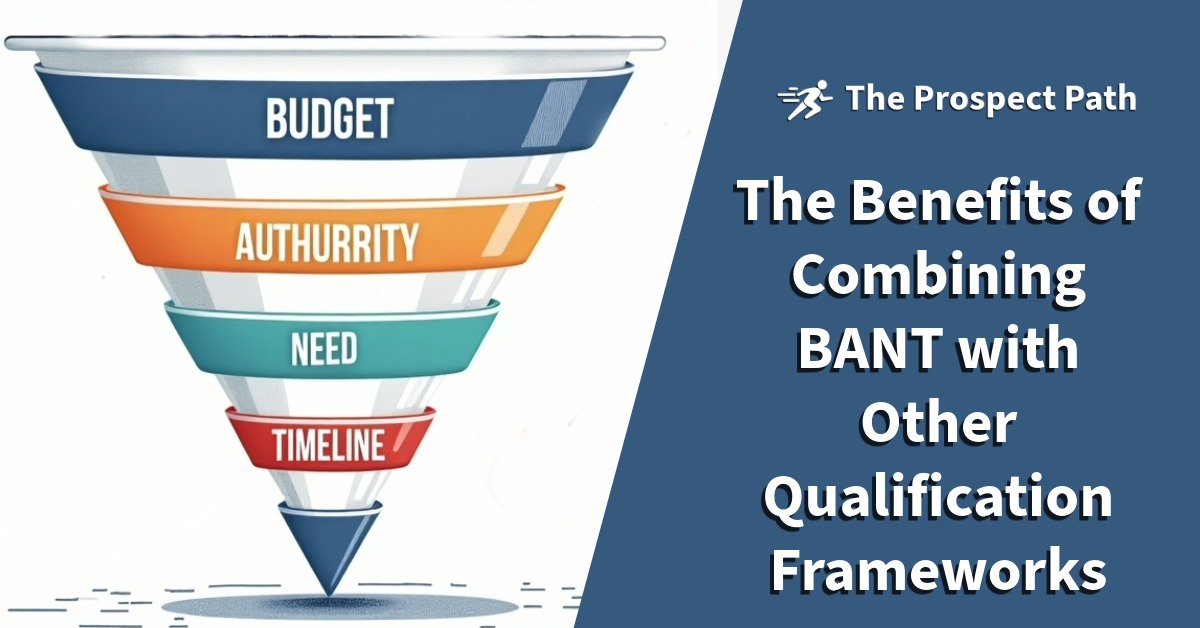
In B2B sales and marketing, knowing which leads to focus on can make the difference between wasted effort and closed deals. One widely recognized method for lead qualification is the BANT framework, which evaluates leads based on Budget, Authority, Need, and Timeline. While BANT remains a reliable and straightforward tool, combining it with other lead qualification frameworks offers even greater advantages for sales teams and marketers.
In this blog, we’ll explore the benefits of integrating BANT with other qualification methods and how this combined approach improves lead quality, accelerates sales cycles, and increases conversion rates — all using clear, plain English.
Understanding BANT Lead Generation
Before discussing combinations, a quick refresh on BANT is helpful. BANT filters leads by asking four key questions:
- Budget: Does the prospect have the financial resources to buy?
- Authority: Is this person the decision-maker or influencer?
- Need: Does the prospect have a business challenge your solution can solve?
- Timeline: When are they planning to make a purchase?
Leads that meet at least three of these criteria are typically prioritized for sales engagement. BANT’s clarity and simplicity make it easy to use, saving sales teams time by focusing on leads with genuine potential.
Why Combine BANT with Other Qualification Frameworks?
Although BANT effectively screens leads by essential criteria, it has limitations such as not fully addressing customer fit or behavioral signals. Combining BANT with other lead qualification methods fills these gaps and provides a more comprehensive picture of lead readiness.
Here are several key benefits of this combined approach:
1. More Holistic Lead Assessment
While BANT focuses primarily on financial and timing factors, other frameworks consider additional dimensions like lead engagement, demographic fit, and buying intent.
For example, integrating BANT with CHAMP (Challenges, Authority, Money, Prioritization) adds a sharper focus on pain points and prioritization, deepening insight into the “Need” and “Timeline” aspects.
Using ANUM (Authority, Need, Urgency, Money) prioritizes authority and urgency, offering a different order of qualification that can better match some sales cycles.
This layered qualification ensures you don’t miss leads who may have budget and authority but lack urgent need or strong engagement signals.
2. Improved Lead Scoring Accuracy
Combining BANT with behavioral lead scoring models—which track website visits, content downloads, email interactions, and intent data—adds data-driven insights to your qualification process.
Behavioral signals help identify leads interacting heavily with your marketing assets, complementing BANT’s focus on budget and authority. Leads with strong engagement signals can be fast-tracked, even if not all BANT criteria are immediately met.
3. Better Alignment Between Marketing and Sales
Marketing teams often use frameworks that emphasize buyer intent, engagement stage, and fit (like the Ideal Customer Profile (ICP)), while sales rely on BANT. Combining approaches creates a shared language and criteria that improve alignment and lead handoffs, leading to smoother qualification and higher conversion rates.
Marketing can use intent data and engagement metrics to prioritize leads, while sales applies BANT alongside that data to validate financial and authority readiness.
4. Faster Sales Cycles with Prioritized Leads
By filtering leads through multiple qualification lenses, your sales team spends time with prospects most likely to close soon. This reduces chasing poor-fit leads, accelerating the pipeline and improving forecast reliability.
For instance, a lead scoring model combined with BANT can push leads with budget and authority but low engagement back for nurturing, while elevating highly engaged leads into sales conversations immediately.
How to Combine BANT with Other Frameworks in Practice
Implementing a combined approach requires coordination and tools that capture relevant data:
- Step 1: Define Your Ideal Customer Profile (ICP)—Understand firmographic and demographic criteria to complement BANT’s budget and authority checks.
- Step 2: Integrate Behavioral Data—Use marketing automation and CRM tools to track content engagement, email responses, and website visits.
- Step 3: Use Lead Scoring Models—Assign points for BANT criteria met plus behavioral engagement and fit metrics.
- Step 4: Align Sales and Marketing Teams—Agree on pass/fail criteria for leads, ensuring marketing nurtures what sales does not accept.
- Step 5: Continuously Optimize—Analyze conversion rates, lead quality, and sales feedback to adjust scoring and qualification thresholds.
The Prospect Path’s Role in Effective BANT Lead Generation
At The Prospect Path, we understand that no single lead qualification framework fits all sales models perfectly. That’s why our B2B Lead Generation Services incorporate BANT alongside other proven qualification methodologies, behavioral insights, and data-driven lead scoring.
We help sales and marketing professionals filter leads effectively by financial capacity, decision-making authority, business needs, timelines, and engagement signals. This comprehensive approach maximizes the quality and readiness of leads passed to your sales team, saving you time and boosting conversion rates.
Final Thoughts
Combining BANT with other lead qualification frameworks provides a richer, more accurate assessment of your leads. It balances traditional financial and authority checks with modern insights from engagement, intent, and customer fit.
This unified approach means your sales and marketing teams can work smarter, focusing time and energy on leads that truly have the potential to convert — accelerating sales cycles and driving business growth.
To get the full benefit of BANT lead generation combined with advanced techniques, contact us today. We’ll help you build a tailored qualification strategy that elevates your lead generation and sales success.
0 Comments