
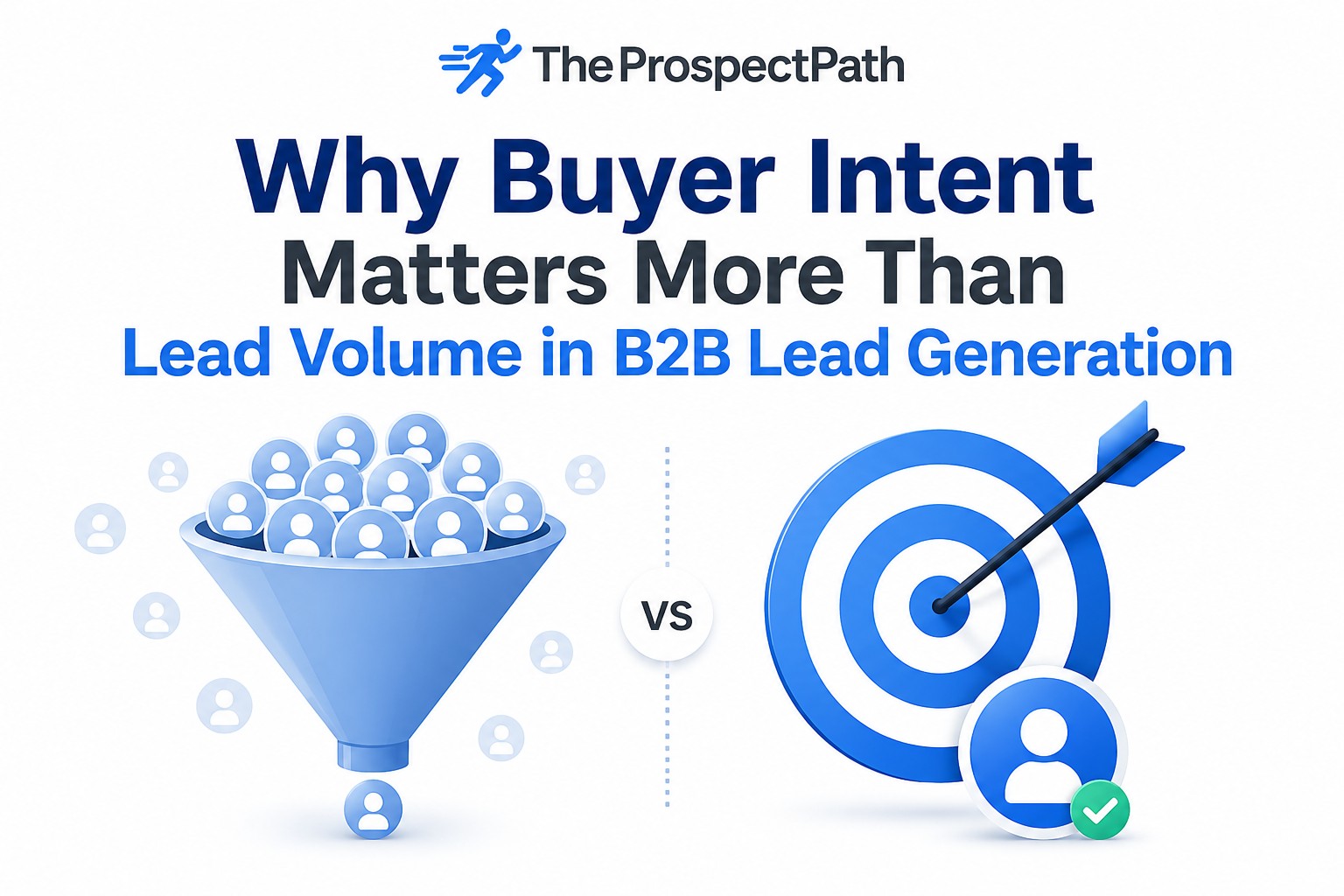
For many B2B organizations, success is often measured by the number of leads generated each month. Marketing teams celebrate large contact lists, while sales teams hope that more prospects will translate into more revenue. However, experienced B2B marketers know that lead quantity alone rarely guarantees business growth. A database filled with unqualified prospects can consume valuable time, increase marketing costs, and frustrate sales representatives.
The real driver of successful B2B lead generation is buyer intent—the likelihood that a prospect is actively researching, evaluating, or planning to purchase a solution. Companies that prioritize buyer intent over sheer lead volume consistently achieve higher conversion rates, shorter sales cycles, and better returns on their marketing investments.
What Is Buyer Intent?
Buyer intent refers to the signals and behaviors that indicate a prospect is genuinely interested in solving a business problem and may be ready to engage with a vendor. These signals can include:
- Downloading industry reports or product guides
- Registering for webinars or virtual events
- Visiting pricing or product pages multiple times
- Requesting demos or consultations
- Responding positively to outreach campaigns
- Engaging with industry-specific content
- Asking detailed questions about solutions
Unlike cold prospects who may have little interest in your offerings, high-intent buyers are already moving through the purchasing journey. Reaching them at the right time significantly increases the chances of meaningful conversations.
The Problem with Chasing Lead Volume
Many organizations focus heavily on generating thousands of leads through mass marketing campaigns. While this approach may produce impressive numbers in reports, it often creates several challenges.
Large volumes of unqualified leads overwhelm sales teams, forcing them to spend valuable hours contacting prospects who have little or no purchasing interest. This not only reduces productivity but also delays engagement with genuinely interested buyers.
Additionally, marketing budgets become less efficient when campaigns target broad audiences without considering buying readiness. High email bounce rates, poor response rates, and declining engagement often result from prioritizing quantity over quality.
Ultimately, businesses may celebrate impressive lead counts while experiencing disappointing revenue growth.
Why Buyer Intent Delivers Better Results
Focusing on buyer intent transforms the entire lead generation process. Rather than pursuing every possible contact, organizations concentrate their efforts on prospects who are more likely to become customers.
Higher Conversion Rates
Prospects demonstrating buying intent are already evaluating potential solutions. Because they recognize a business need, they are far more likely to respond to personalized outreach and move further through the sales funnel.
Improved Sales Productivity
Sales representatives spend less time chasing uninterested contacts and more time having meaningful conversations with decision-makers who are actively exploring solutions. This increases productivity and improves morale across the sales team.
Shorter Sales Cycles
Intent-driven prospects typically require less education because they have already conducted initial research. As a result, deals often progress more quickly from first contact to final purchase.
Better Marketing ROI
Marketing resources are invested where they produce measurable business outcomes. Rather than paying for thousands of low-quality leads, companies generate greater returns by targeting prospects who exhibit genuine buying behavior.
Identifying High-Intent B2B Buyers
Successful B2B organizations combine multiple data sources to identify buying intent. These may include first-party engagement data, CRM insights, website analytics, event participation, email engagement, and conversations with prospects.
Some common indicators include:
- Multiple visits to solution or pricing pages
- High email open and click-through rates
- Attendance at educational webinars
- Repeat interactions with industry content
- Positive responses during telemarketing conversations
- Requests for additional product information
By monitoring these activities, businesses can prioritize outreach based on actual buying readiness rather than assumptions.
Aligning Marketing and Sales Around Intent
Buyer intent becomes even more valuable when marketing and sales teams work together. Marketing can nurture prospects through relevant educational content while tracking engagement levels. Once a lead demonstrates sufficient intent, sales representatives can initiate personalized conversations with confidence.
This alignment reduces friction between departments and ensures qualified opportunities receive prompt attention.
Instead of debating lead quantity, both teams can focus on shared metrics such as qualified meetings, pipeline contribution, opportunity creation, and revenue generation.
Personalization Becomes More Effective
Intent data enables highly personalized communication. Instead of sending generic marketing messages to every contact, businesses can tailor emails, phone conversations, and follow-up content based on each prospect’s interests and stage in the buying journey.
For example, someone who attended a cybersecurity webinar may receive follow-up resources related to security solutions, while another prospect researching cloud migration may receive case studies addressing migration challenges.
This relevance significantly improves engagement and builds trust with potential buyers.
Measuring Success Beyond Lead Counts
Modern B2B organizations are shifting away from vanity metrics toward performance indicators that directly impact business growth.
Instead of asking, “How many leads did we generate?” companies should ask:
- How many leads showed genuine buying intent?
- How many qualified sales conversations occurred?
- How many opportunities entered the sales pipeline?
- What percentage of qualified leads converted into customers?
- What revenue was generated from marketing efforts?
These metrics provide a much clearer picture of marketing effectiveness and long-term business success.
Conclusion
Generating thousands of leads may look impressive on paper, but without genuine buying interest, those contacts often fail to deliver meaningful business results. Prioritizing buyer intent enables organizations to focus their resources on prospects who are actively seeking solutions, leading to stronger engagement, higher conversion rates, improved sales efficiency, and greater return on investment.
At TheProspectPath, we help businesses move beyond simply generating large volumes of leads by focusing on connecting them with qualified prospects who are more likely to engage in meaningful sales conversations. Through our strategic B2B email marketing campaigns and professional telemarketing services, we identify, nurture, and qualify prospects based on their interest and readiness to buy. Our experienced team works closely with clients to deliver high-quality B2B lead generation solutions that support pipeline growth, improve conversion rates, and help sales teams spend more time closing opportunities instead of chasing unqualified contacts.



0 Comments